
This post is part of the Ray Tubes series For the Love of Audio. For an introduction to the series, and a list of everyone featured so far, check out the intro post.
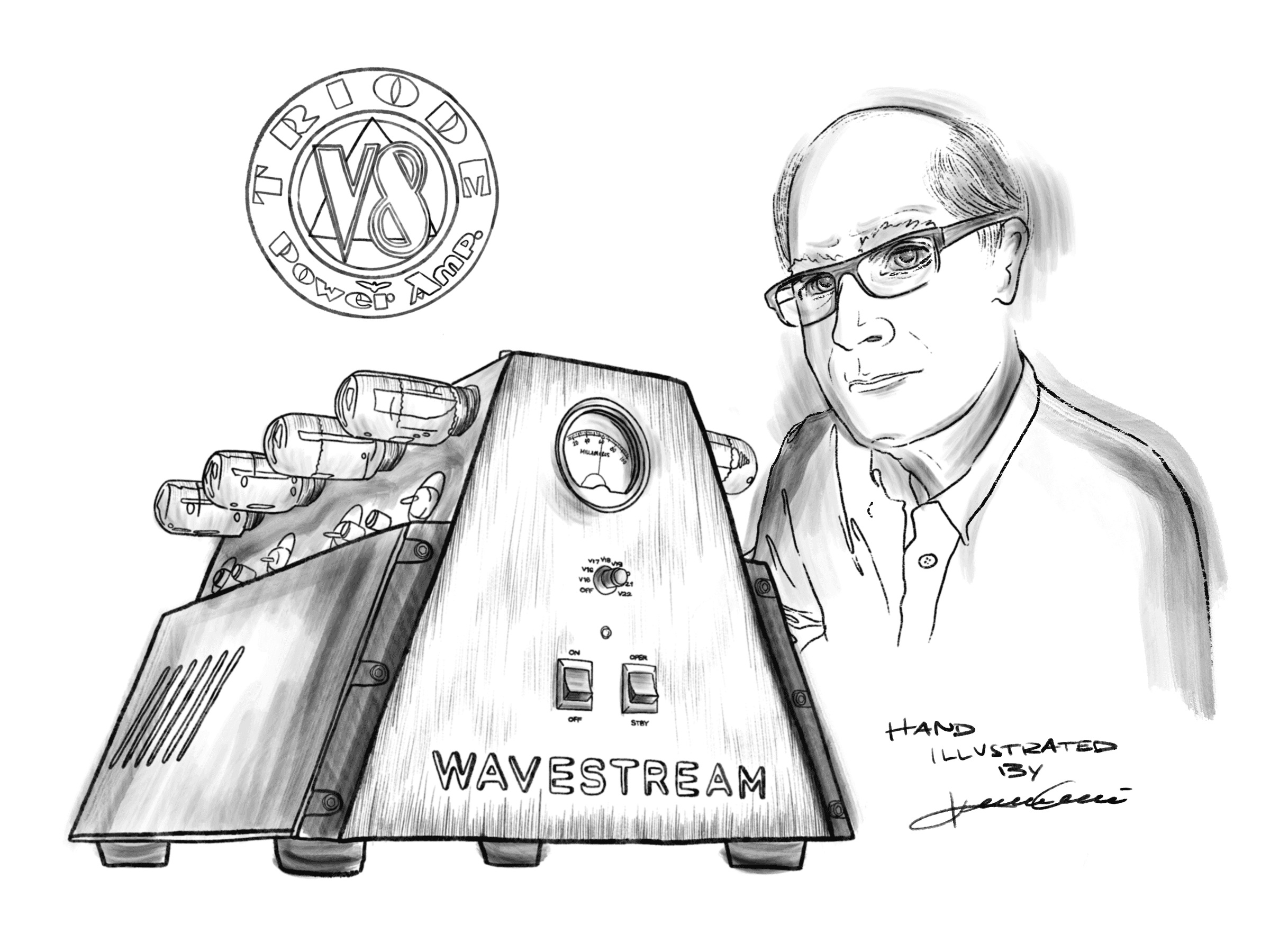
Scott Frankland has spent his career building some of the most beloved tube amps in the world. From the late 80s to the early 90s, he was the F in MFA, the audio company he co-founded with Bruce Moore. When that company shuttered, he founded Wavestream Kinetics, where he created the legendary Triode V8 amp. Wavestream remains in business to this day, but the Triode V8 ceased production years ago due to prohibitive costs. It's an iconic amp, instantly recognizable and highly sought after, and it's still one of the most notable highlights of his career, to the point that the Triode V8 Signature Model bears his name. In typically understated fashion, though, the signature is on the back of the amp. Forty years on from MFA's heyday and thirty from the first iteration of the Triode V8, it's clear that he's overdue for an extended moment in the spotlight.
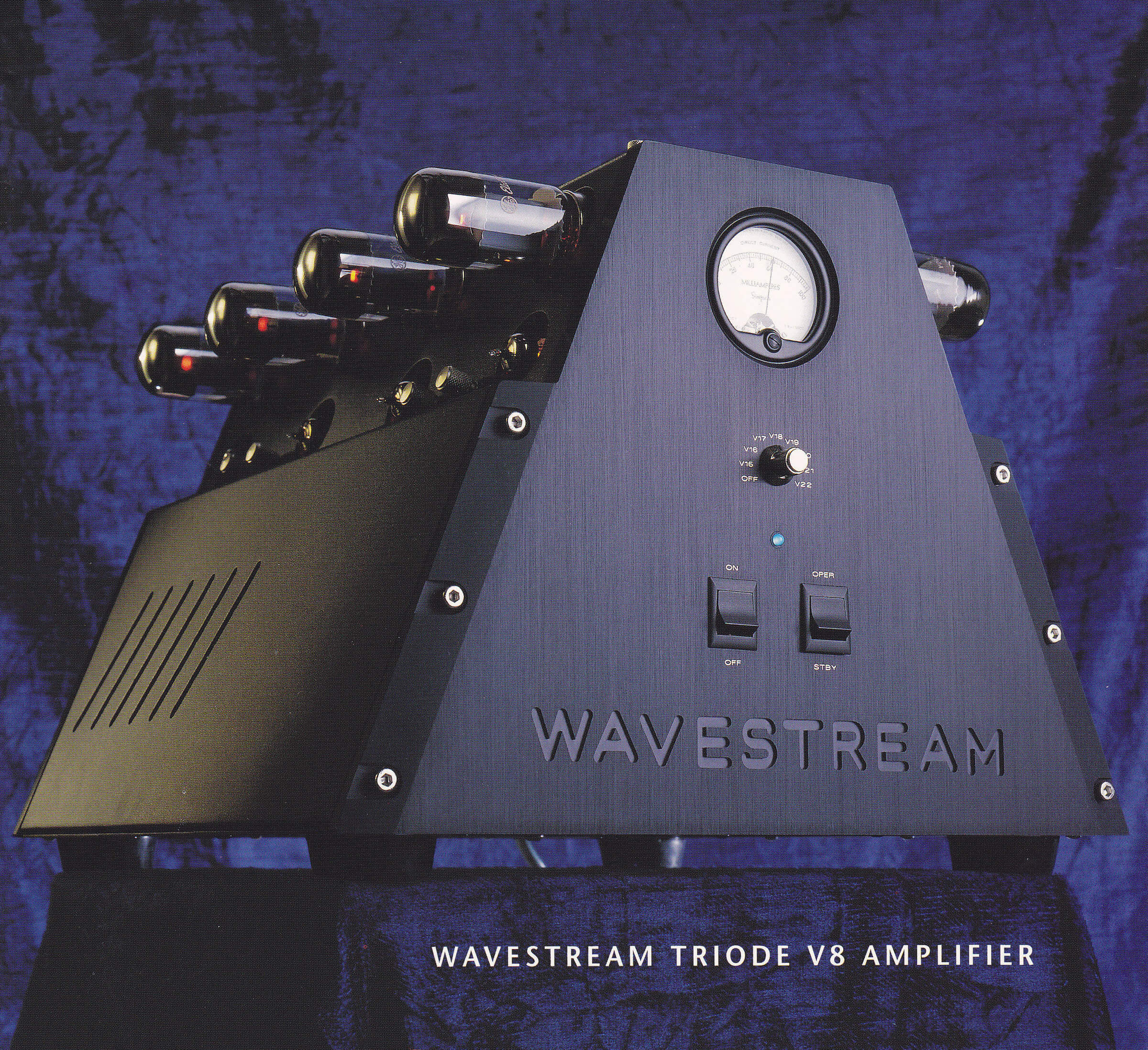 The front of the Wavestream V8, with Scott's signature nowhere in sight...I first met Scott through our mutual friend Joe Cannistraci. I'd shared some of our vacuum tubes with Joe, and he liked them so much he mentioned them to Scott. The next time I came down to visit Joe, we spent the day at Scott's workshop in San Jose, where he continues to offer a range of audio design, upgrade, and repair services. Later we dined together at Joe's restaurant, Enoteca La Storia. (Joe is a man of many passions—in addition to his restaurants, he's working with Scott on an audio company called Silicon Valley Tube Audio… But that's a story for another time.)
That's the kind of person Scott is: someone you meet, not through the brash self-promotion and personal branding that's common on the modern internet, but through a trusted friend. It comes through in the way he talks. He's soft-spoken and reserved, the sort of person who doesn't say much but is always worth listening to when he does speak. He's at his most animated talking about tube audio design and its history, and it was in the course of our conversation that he hit on a topic that would re-contextualize how I thought about the history of technology.
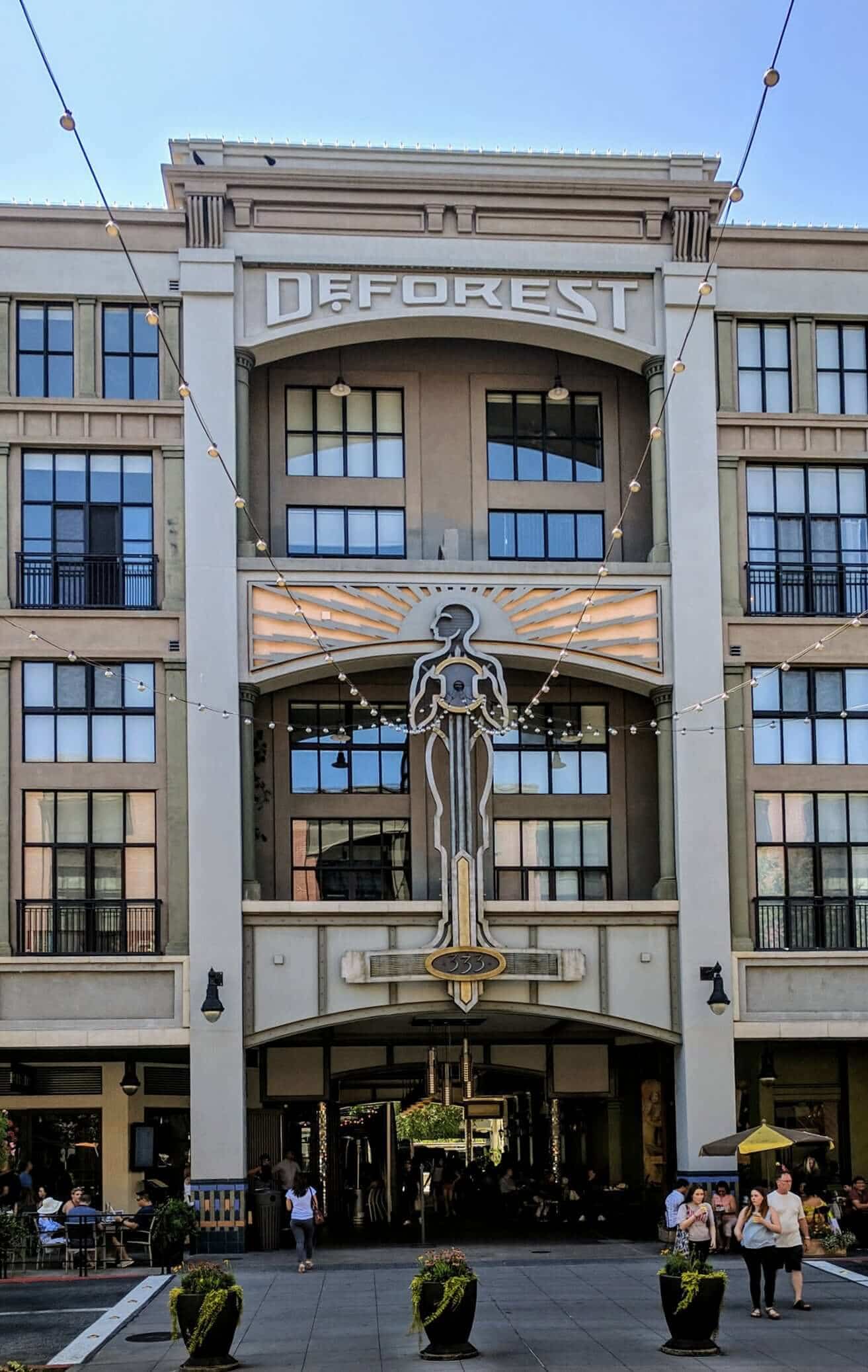 The de Forest building in San Jose.
Did I know, Scott asked, about the de Forest building in downtown San Jose? Now a luxury apartment building, it's named for Lee de Forest, the man I knew as the inventor of the world's first triode vacuum tube. I had to admit I wasn't aware of his connection to the Bay Area, but it turns out he created the first vacuum tube amplifier while working for the Federal Telegraph Company, just a stone's throw away in Palo Alto. What's more, I realized there was a disconnect in my mind when I thought about these pioneers in the history of electronics—people like de Forest, Marconi, Tesla, and Edison. I knew them as caricatures, larger-than-life figures from a totally different era, and not as real people who lived less than a hundred years ago.
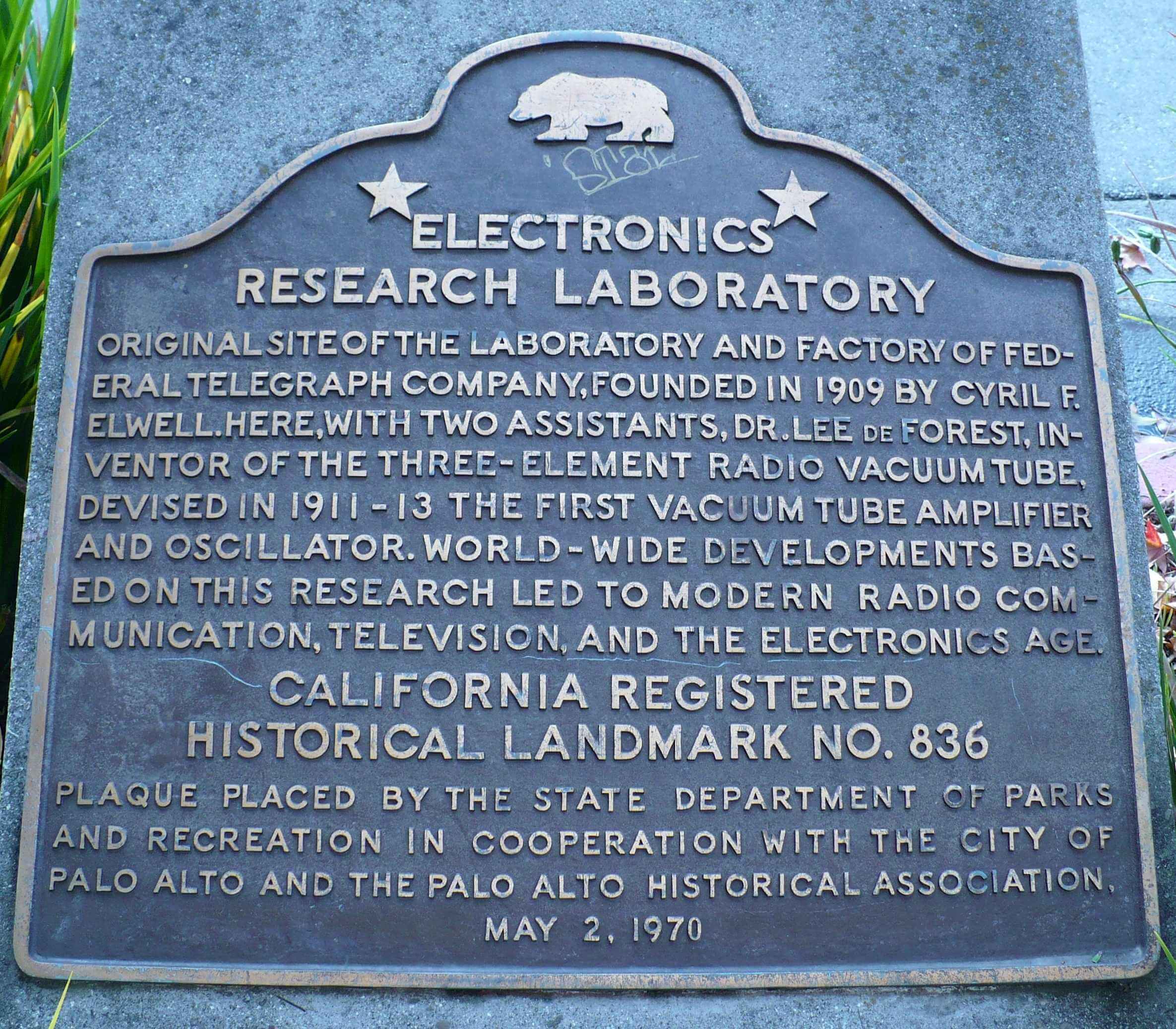
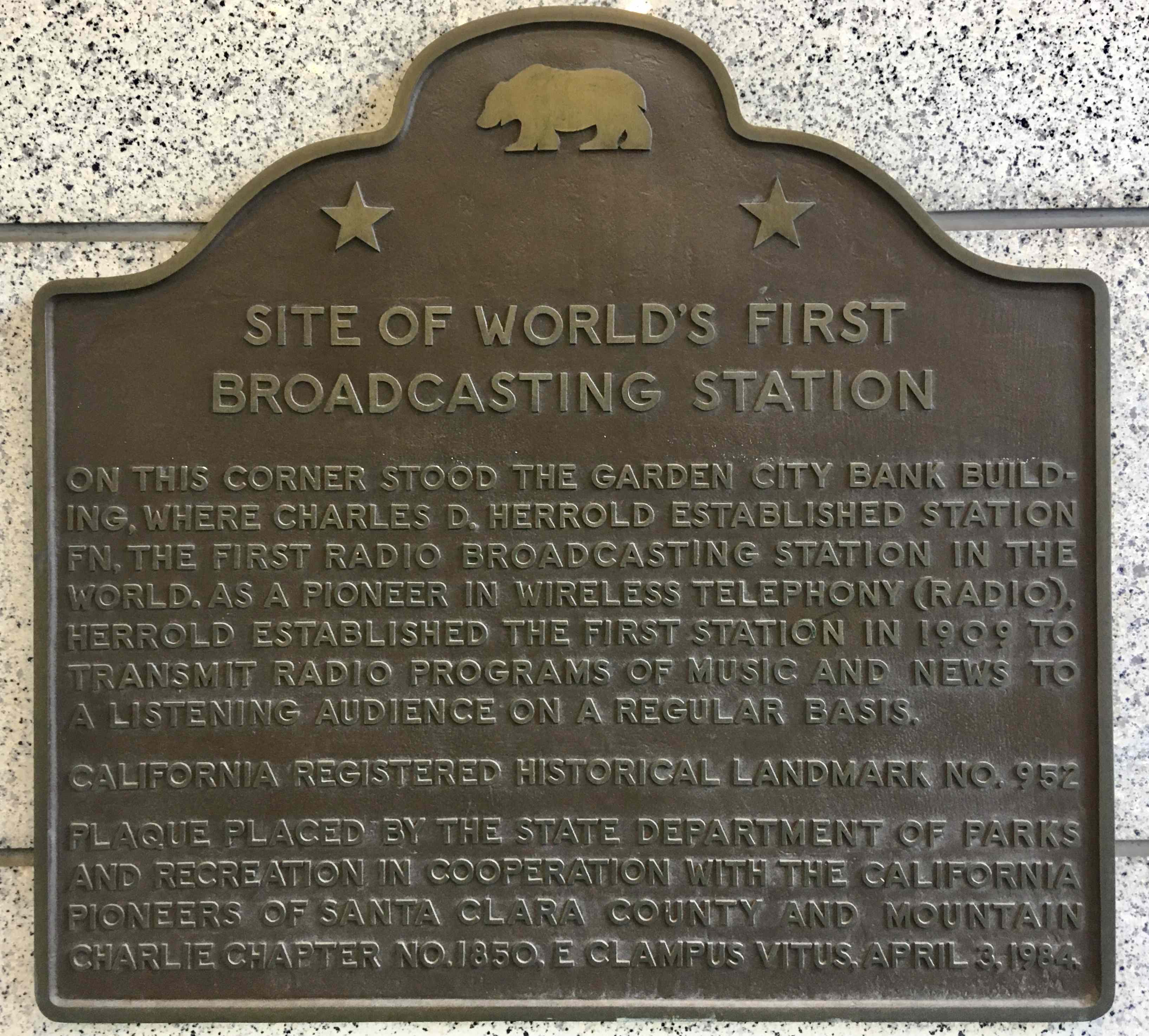
The idea that I could take a walk in the Bay Area and come across a building named in their honor, or a plaque commemorating a seminal moment in tube history, hadn't even crossed my mind. It was Scott's deep knowledge and appreciation for that history that finally grounded these figures for me as real, once-living people.
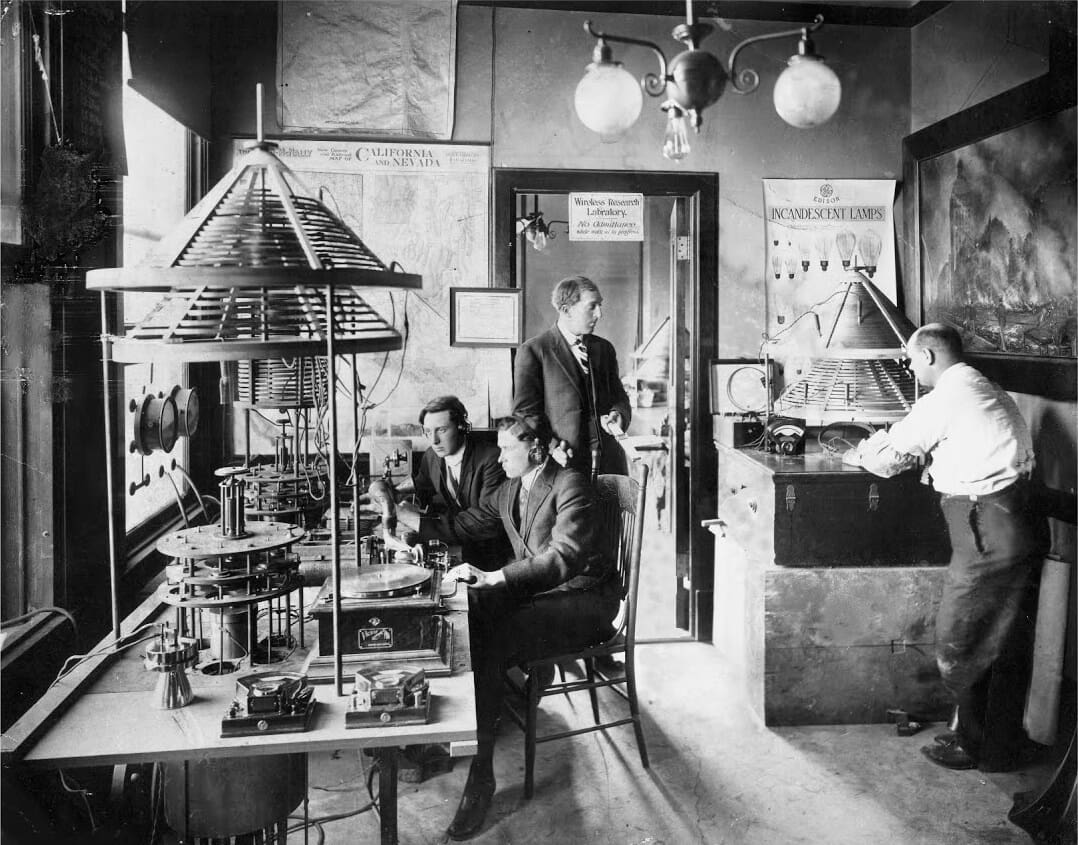 The laboratory of Charles Herrold, another San Jose-based radio pioneer.
The rapid march of 20th century technology, perhaps, makes these inventors feel more distant than they truly are—and I thought something similar was at work with Scott's time at MFA. The company closed its doors before the internet, and that means there are no easily available records about it, its products, and most of all its place in the community. Try to research MFA amplifiers on the internet, and you'll mostly find forum threads and hearsay—ephemeral instances of knowledge passed down from person to person. Nor is it easy to find Scott's prodigious writings in the magazines of the time, most of which are also now defunct.
He shared some of those articles with me. Among them was the beginning of a 12-part series in Vacuum Tube Valley on the early history of GE, RCA, and Western Electric, which only saw two parts published due to the death of the magazine's editor. (You can read part two here.) It's a sobering story in its own right, but it also speaks to a deeper historical context that's increasingly in danger of being lost. People like Scott keep the fire burning. He deserves all the recognition in the world, both for his own work and for his efforts in keeping alive the memory of others'.